

Branding includes not only what customers see on a website or business card, but it’s also about what they feel the moment they step inside your space. A strong business brand depends on consistency, but if the colours, materials and layout in your interior contradict your identity, it can cause confusion.

However, when these elements all align, the space reinforces your story and makes it unforgettable. That’s where interior design comes in.
The Role Of Interior Design In Branding
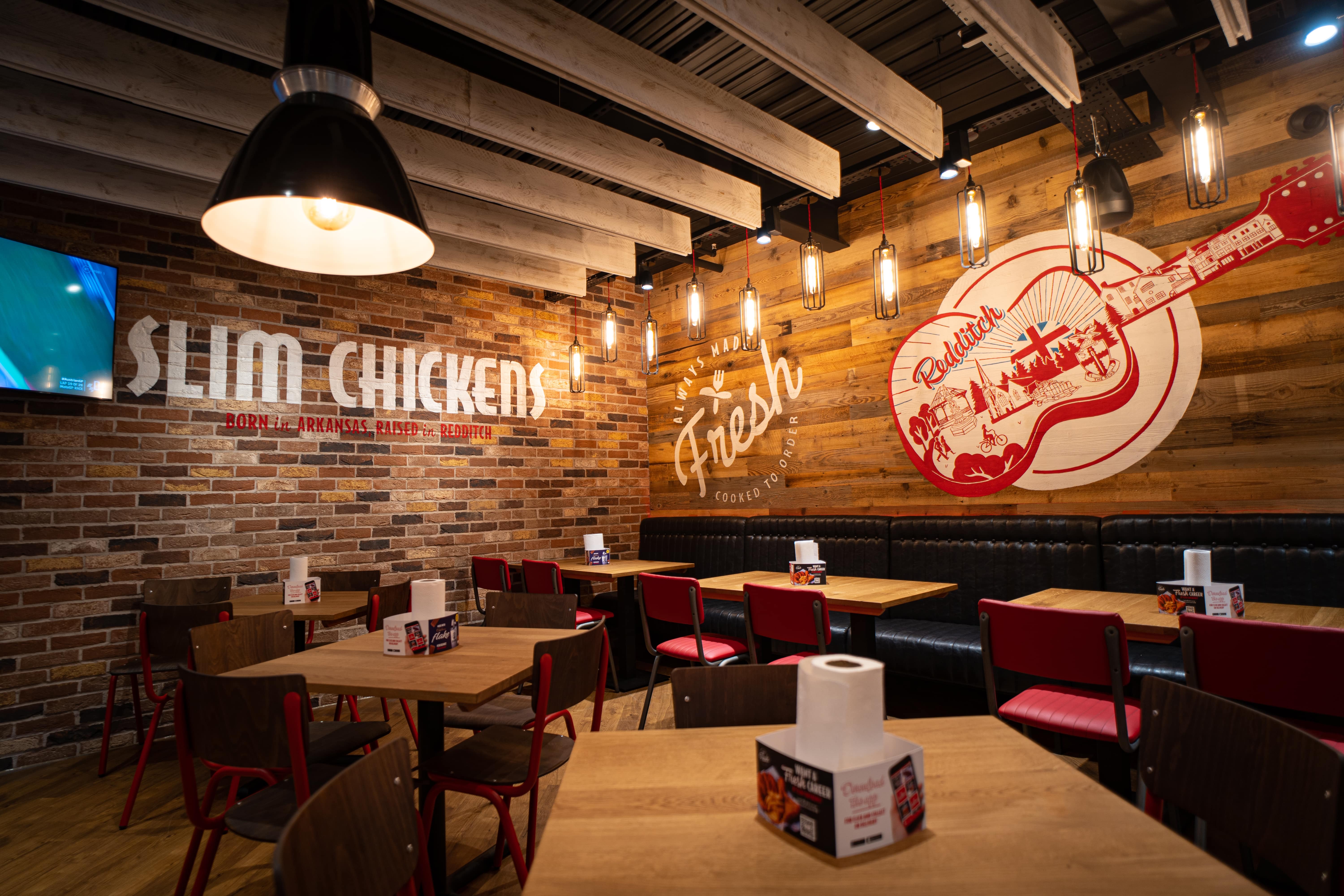
A logo or slogan may grab attention, but interior design makes your business values more tangible. The colour of a wall or the choice of seating tells people something about who you are. For example, if your company prides itself on sustainability, then reclaimed timber or low-energy lighting communicates that better than a tagline ever could.
When interior design is handled well, branding business values into the environment itself helps customers experience what you stand for, rather than just being told.
Elements That Shape A Brand
Every design decision plays a role, such as colour schemes, in setting the emotional tone. Furniture choices also express personality, such as clean modern lines for innovation or softer materials for approachability. The way a space is laid out can make or break customer experience.
A logical flow leads visitors past key areas and highlights products, as well as ensuring the journey through the building feels intuitive. These elements taken together create a physical language that reinforces the business brand every time someone walks in.
The Impact Of Design On Perception
Customers trust spaces that feel authentic. Interior design for businesses builds a brand not by being flashy but by being true to the identity already in place. A mismatched interior sends the wrong message and risks weakening credibility. In contrast, a coherent space strengthens emotional ties and makes a brand memorable.
People are more likely to return to a place that feels both comfortable and distinctive. Over time, those repeat visits add up to loyalty, and loyalty is the foundation of growth.
Working Together To Get It Right
Designing a space that communicates a clear identity does not happen by accident, and it requires close collaboration between business owners and interior designers. When both sides share insight early on, the design can grow from the brand’s message rather than being applied after the fact. That unity should carry through every choice, from the fittings in the bathroom to the arrangement of the main floor.
When done properly, the end result is not only an attractive environment but also a space that works as a silent ambassador for the brand, supporting every other form of communication.
Why It Matters So Much
In competitive markets, customers make quick judgments. If a space feels disconnected from the brand it represents, the impression is hard to recover. Visitors need to know what you stand for the moment they arrive.
First impressions always leave a lasting impact, so it’s important to make the building itself part of your marketing. One that needs no slogans or campaigns to keep telling your story.
If you want your space to reflect your values and strengthen your business brand, make an enquiry today.
The Importance Of Seamlessly Integrated Technology In Interior Design
How To Design Successful Food & Beverage Spaces
No Comments Yet
Let us know what you think