

Longevity and sustainability are crucial elements in design, as the decisions made now are going to be around for a long time. A space might look sharp when it’s first unveiled, but the real test is years later. If it has held up both in function and in feel, then the designer got it right, and that’s the essence of longevity.

It’s work that does not fade with trends or collapse under daily use, but remains sustainable long into the future.
What Longevity Means
Longevity in design means spaces that remain useful and attractive long after the paint has dried. This means shops that invite customers back rather than looking tired within three seasons, and offices that continue to support staff without needing costly rework. It means homes that age with grace.
To achieve this, designers avoid gimmicks and instead build around solid frameworks, such as layouts that flow and finishes that resist wear. Starting with neutral bases allows for small, low-cost changes while keeping the core intact.
Designing For Longevity
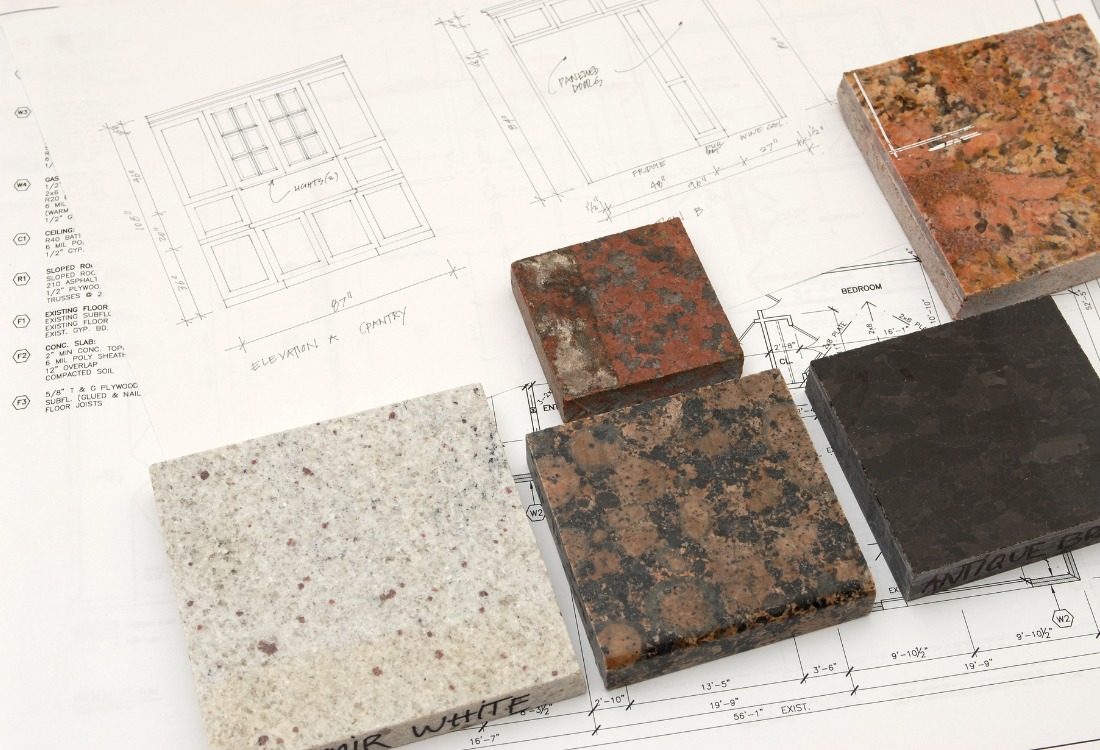
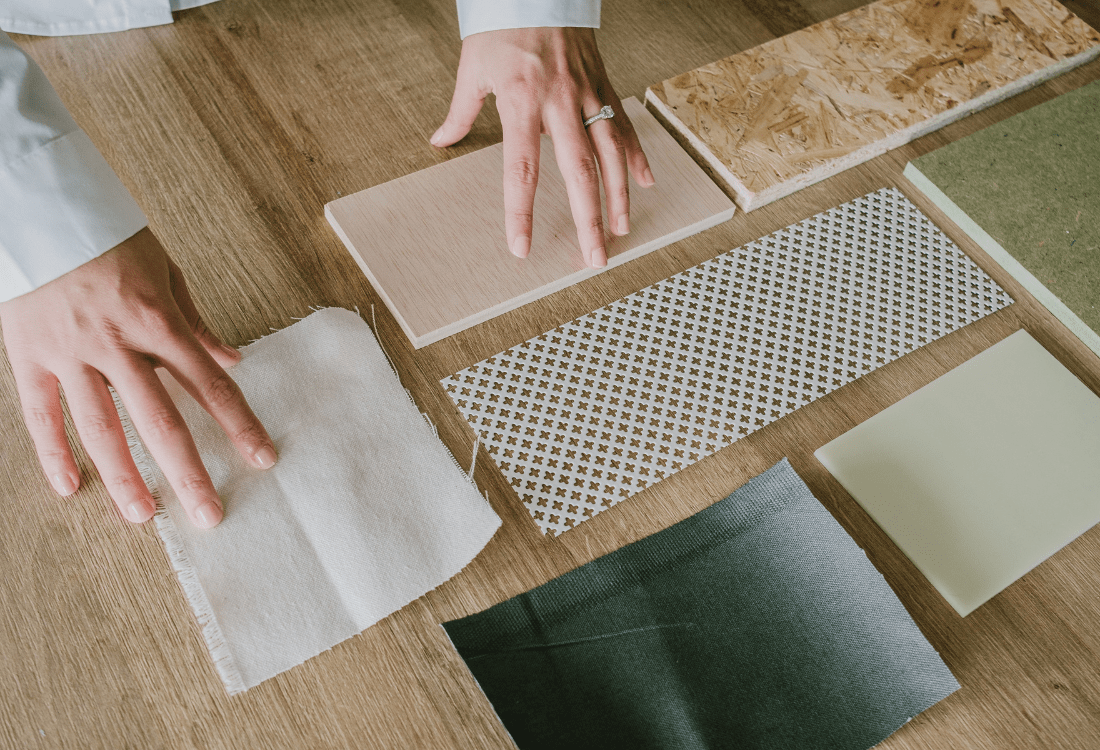
The practical route is pretty straightforward. You simply select materials that will endure, and shapes that do not go out of date. Choose wood that grows richer with time, and stone that can take decades of use. Lighting and fittings that can be updated without ripping out entire systems are essential. Colours should sit quietly in the background, leaving scope for accents to shift as tastes move on.
Designing for longevity does not mean being dull. It just means avoiding waste by planning for change without constant rebuilding.
Sustainability In Design
Sustainability adds another layer, as every choice we make has a footprint. Choosing recycled or reclaimed materials keeps resources in circulation. Building with energy in mind reduces demand and cuts emissions, with a focus on exploiting natural light, decent insulation and efficient systems.
The principle of waste reduction means designing furniture, fittings and layouts that can be repaired, reused or reconfigured, rather than discarded. These practices align neatly with longevity. A piece that lasts, or can be adapted, is one less item sent to landfill.
Putting Sustainability Into Practice
Of course, theory is one thing, application quite another. True sustainability means folding these principles into every stage of the process. For example, local sourcing reduces transport costs and emissions, while existing fixtures can be repurposed instead of being scrapped. Upcycling also gives materials a second life, adding character along the way.
The end result of these practices and principles is not just a greener project but also a more resilient one. Businesses save money in the long run, plus staff work in healthier environments, while clients know their investment will not become obsolete before its time.
If you want to design with longevity and sustainability in mind, book an initial meeting with us today.
What Is Architectural Interior Design?
7 Mistakes Restaurants Should Avoid When Designing Their Space
No Comments Yet
Let us know what you think